Au • Ag • Pt • Pd • Ir • Ti • Cu • Zn • Tl — Mineralreichtum des Ostpontikums. In den Karten und Tabellen unten wird der Probentyp (natürliches Gestein / PROTEK-Konzentrat G1-G2-G3 / MTA-Analyse) ausdrücklich angegeben; die Werte folgen den Laborergebnissen des Briefingberichts wortgetreu und dürfen nicht als durchschnittlicher Lagerstättengehalt, Mineralressource oder Reserve interpretiert werden.
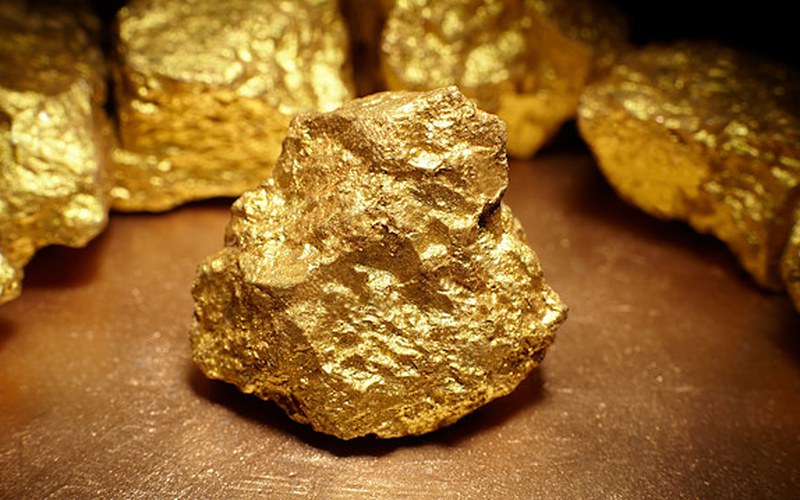
Gold mineralisation associated with chalcopyrite-pyrite (hydrothermal, native gold present).
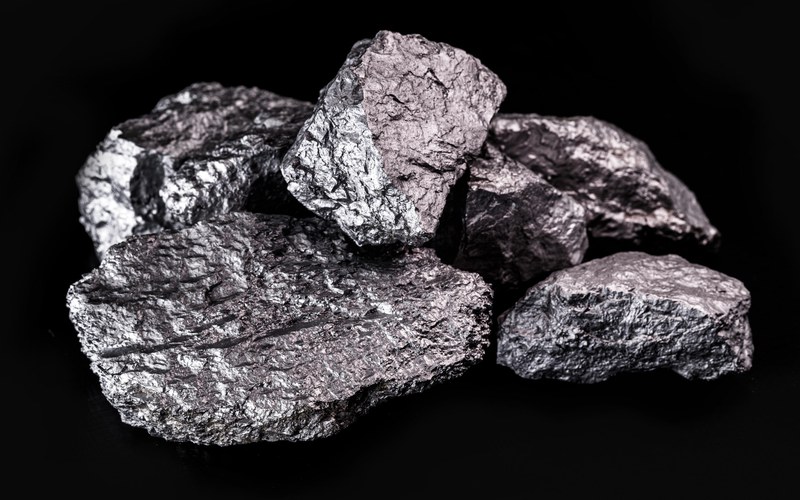
Obtained from native silver and silver-bearing sulfide minerals.
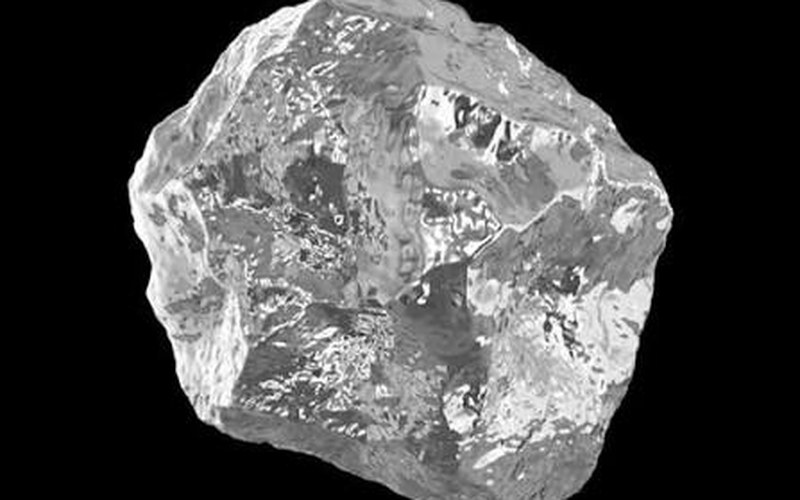
Precious platinum group metals (PGM) — occurring as micron-scale fracture fillings.
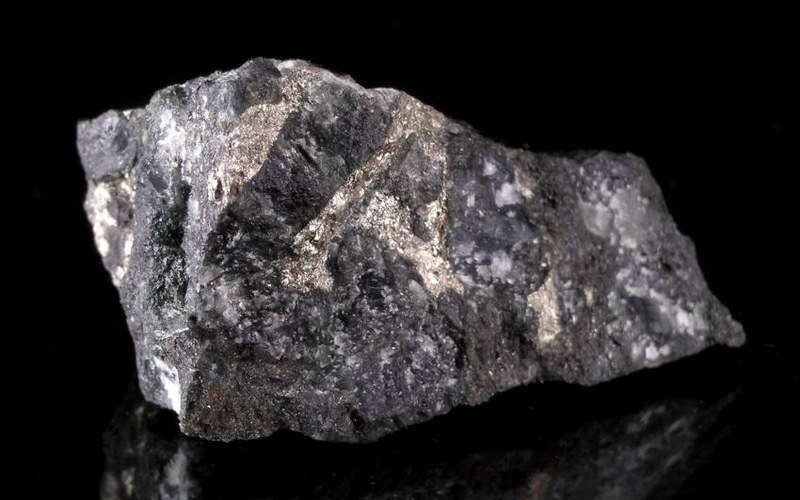
A strategic metal essential to the automotive catalytic converter industry.
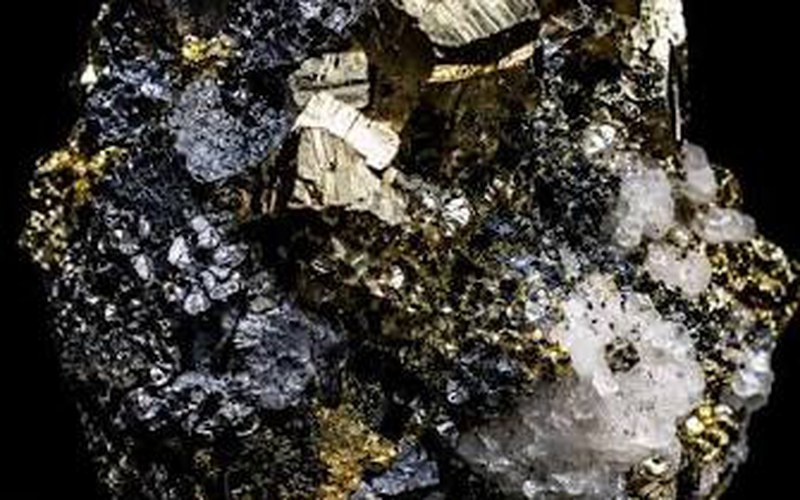
One of the world's most durable and valuable metals — separated by the aqua regia process.
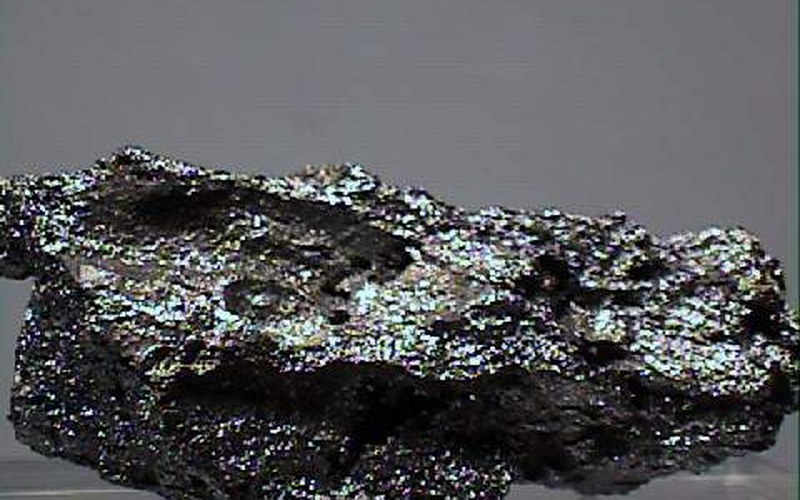
A light, strong metal used in aviation, defence and medical implants.
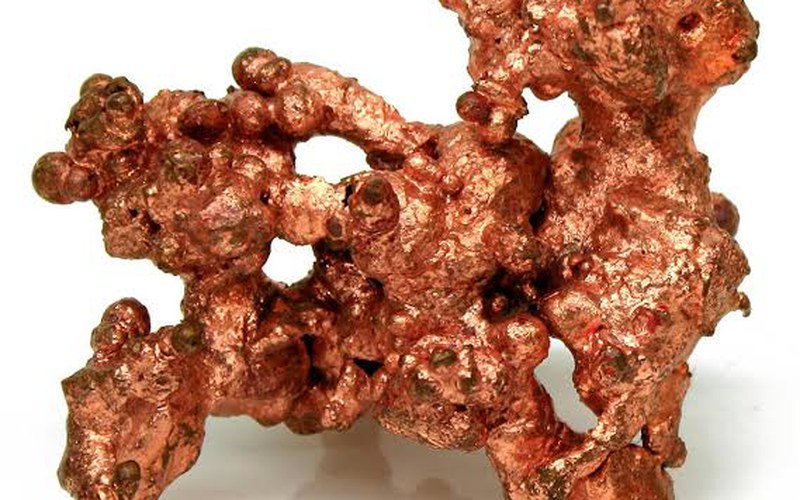
Native copper and chalcopyrite form — a fundamental metal for the electrical and construction industries.
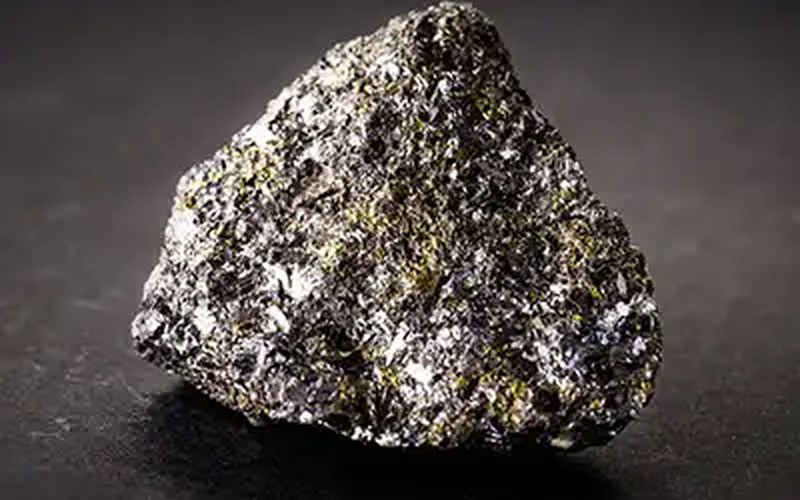
Strategic use in galvanization and alloy production.
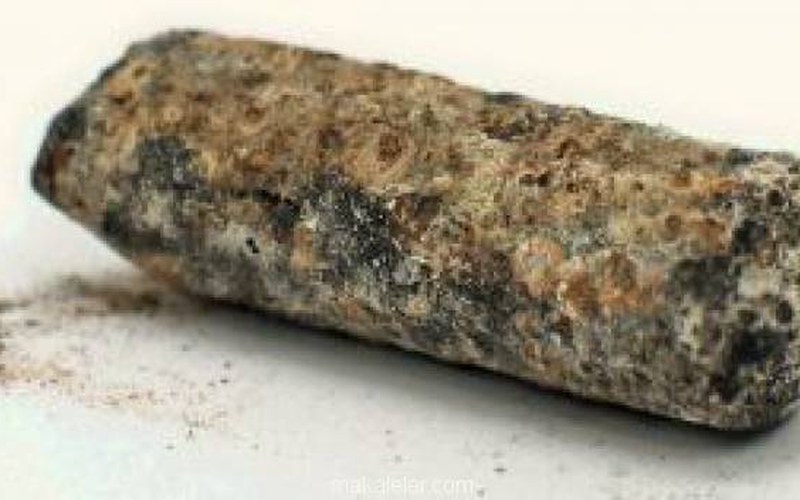
A high-value rare element used in electronics, optical glass, and medicine.
Elements identified on site are classified into three main groups according to their economic assessment priorities.
Priority elements for economic assessment
Assessable through concentrate yield optimisation
Confirmed in analyses; economic recoverability to be assessed through further studies. Ba, Sr, Zr, Te, Be are not technically rare earth elements (REE); La, Yb, Eu, Sc may be considered within REE scope.
All values are from ARGETEST, PROTEK and MTA accredited laboratory analyses. These data are research indicators, not resource or reserve estimates.
Analysen in TÜRKAK-akkreditierten Laboren (ARGETEST · MTA · Universität Istanbul Cerrahpaşa PROTEK). PROTEK-Konzentrate: G1 (Staub) · G2 (gelb) · G3 (klein) — 35 t Erz → ~2 t → ~700 kg Anreicherungsschritte. Cu-Ti-Ni-Konzentrat: 5 kg natürliches Gestein → 230 g Konzentrat (Mittelwert aus 6 Proben).
| Element | PROTEK / Cu-Ti-Ni Konzentrat | Natürliches Gestein (MTA) |
|---|---|---|
| Gold (Au) | G1 0,374 · G2 93,526 · G3 3,092 mg/kg | 1,978 mg/kg |
| Silber (Ag) | G1 4,822 · G2 205,260 mg/kg | 28,23 mg/kg |
| Platin (Pt) | G1 2,475 · G2 11,141 · G3 24,152 mg/kg | — |
| Palladium (Pd) | G1 2,448 · G2 15,228 mg/kg | — |
| Iridium (Ir) | G3 0,685 mg/kg | — |
| Kupfer (Cu) | Cu-Ti-Ni konsantre: lokal %7,37 – %43,30 | 3,217 mg/kg |
| Titan (Ti) | Cu-Ti-Ni konsantre: ort. %21,97 (head grade) | %1,30 – %2,10 (raporda ort. %1,61 — head grade değeri; metalurjik verim ayrıca test edilecektir) |
| Thallium (Tl) | G1 0,076 · G2 1,785 mg/kg | Spur |
⚠ Rechtlicher Hinweis: Hinweis: Die Werte oben sind Laborergebnisse spezifischer Proben. Sie stellen weder den durchschnittlichen Gehalt der Lizenzfläche noch eine Mineralressource oder Reserve dar. Ein UMREK/JORC-konformes Ressourcen-/Reservenmodell wird nach dem Phase-1-Bohrprogramm erstellt.


